tcg stash
configurable home for your TCG cards
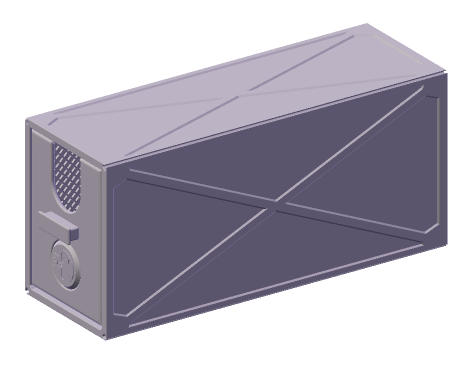
As little filament as possible, while keeping the strength, modularity and usability.
why it exists
There are already plenty of great card boxes out there, and this one is not out to replace them — it is my own take on the idea. What I wanted on top was the least filament I could manage while giving up none of the features: still strong, still modular, still pleasant to use. Most of what follows is that trade-off being made one more time.
the box is the feature
The housing is optional. A box works on its own — on a shelf, or inside whatever you already have — so the design went into the box rather than into the rail around it.
parts
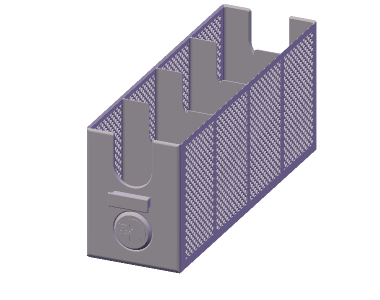
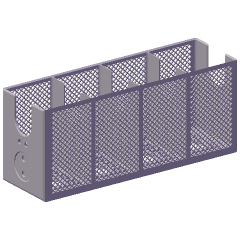 boxthe actual feature, 245 × 75 × 107.5 mm
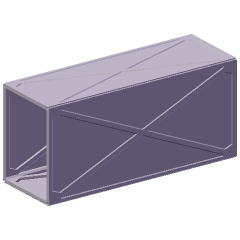 housingoptional rail, 246 × 86 × 118.5 mm
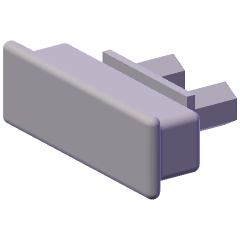 handletwo pieces, pinned through the front wall
 emblem30 × 30 × 3 mm, into the front inset
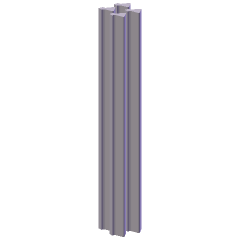 connectorhalf a rail long, two to a cavity
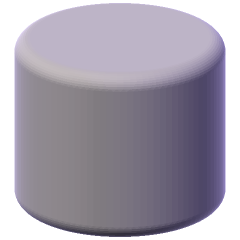 side connectorØ6.8 × 5.7 mm, four to a side
 gluealways — the handle is glued in
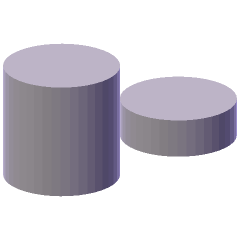 magnetsoptional, 6 × 2 mm — four a box, for swappable emblems
the box
clean on a shelf
The front is a plain face, so a row of them looks tidy in the shelf. The emblem is what tells you which box is which.
separators printed in
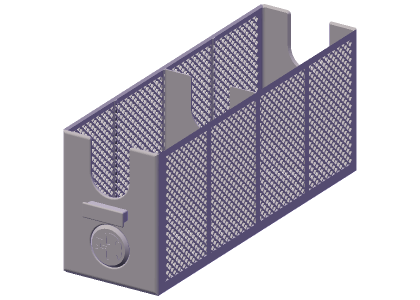
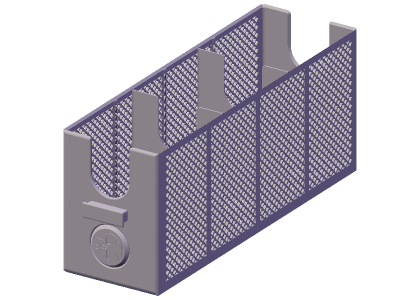
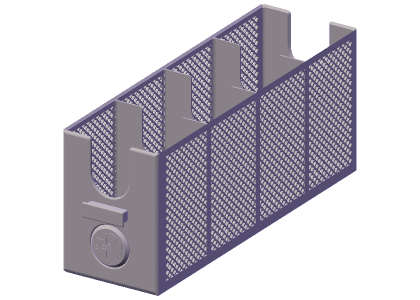
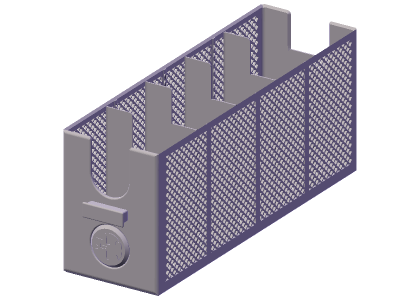
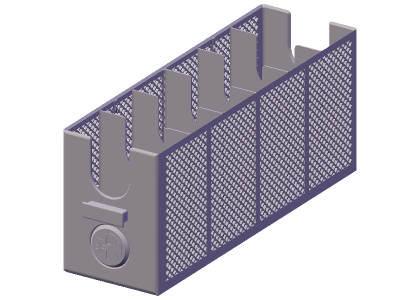
The separators are part of the box, so the cards only ever touch smooth wall and the wall itself can stay thin. They break the collection into stacks you can get a hand around, and they brace the box for stacking. Print as many as you want — one is the minimum, and past that it is only how finely you like the collection split.
size it to fit
Resize it for wherever it is actually going — a shelf, a cupboard, or the print bed you happen to have.
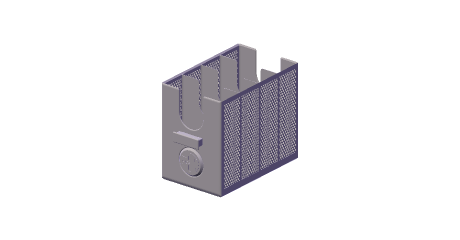
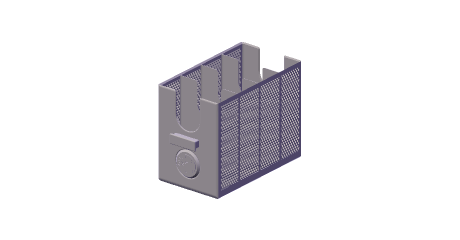
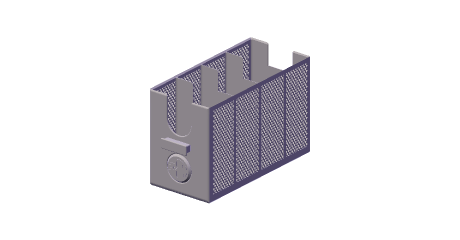
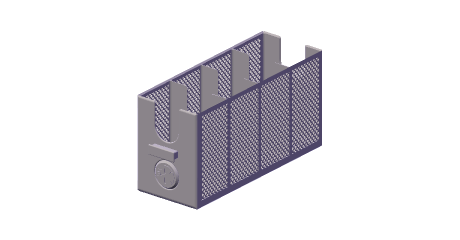
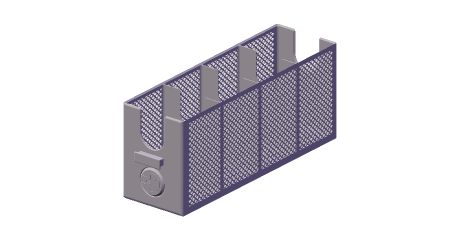
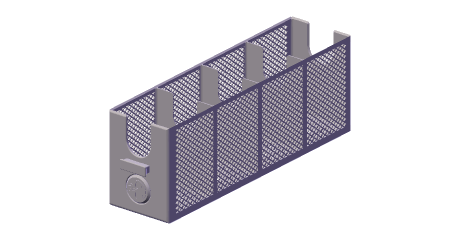
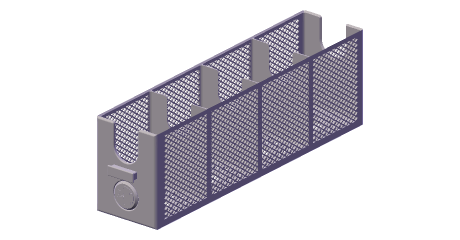
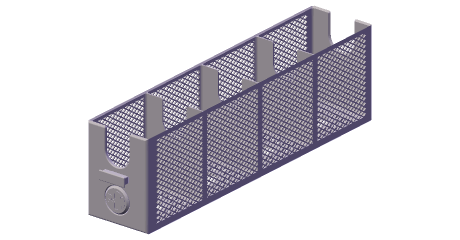
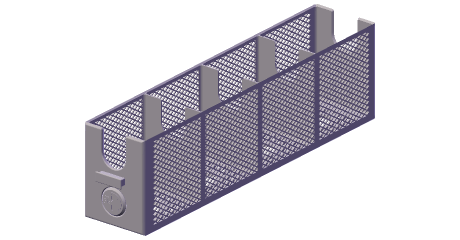
solid, grid or light
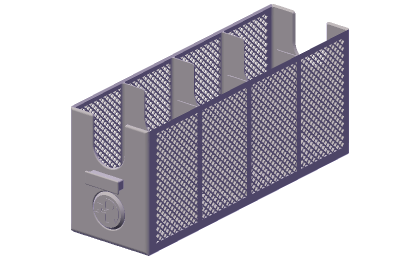
The walls are 1.5mm in all three. Grid runs a pattern through them, which is where most of the saving comes from; light keeps that pattern and takes the side walls down lower as well.
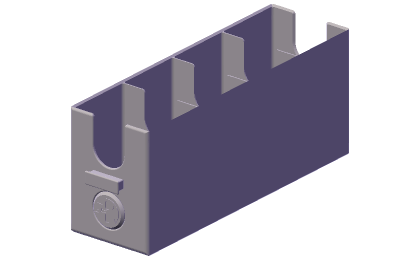
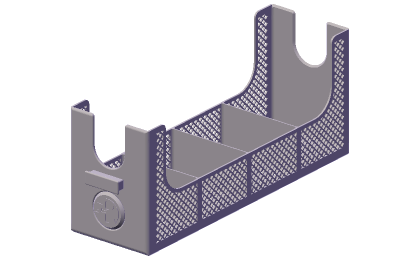
if you overfill a section
Every section has a hole in its floor. Fill one to the brim and you can still push the stack up from underneath with a finger.
emblems
glued or magnetic
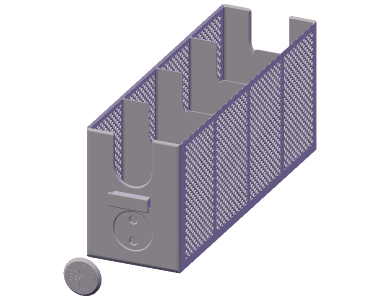
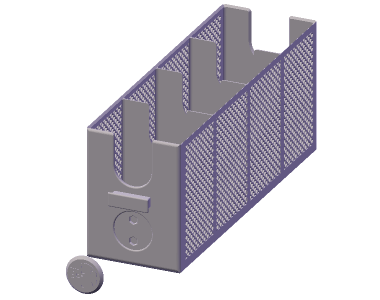
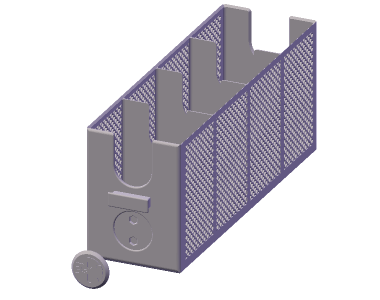
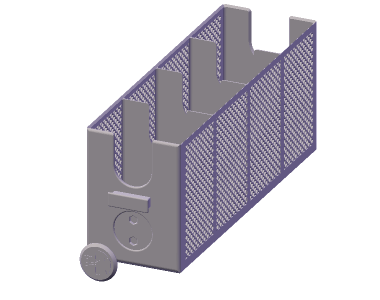
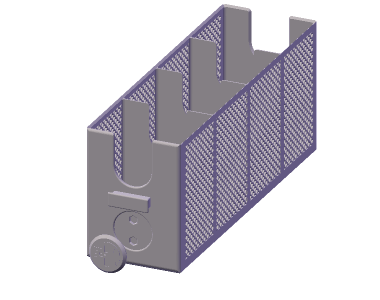
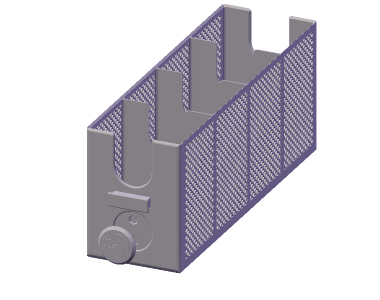
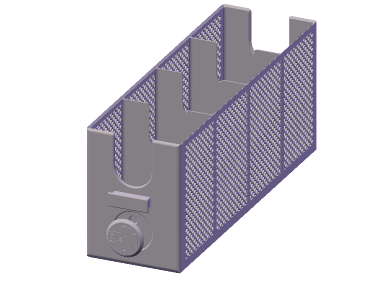
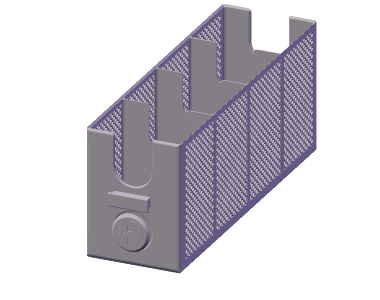
The emblem drops into the inset on the front. Glue it in, or drop 6 × 2 magnets into the holes behind it — two in the box, two in the emblem — and swap it whenever the box changes job.
prepared sets
Ready-made emblems for pokémon, lorcana, magic, one piece and riftbound — the whole type list for each game, thirty-seven designs in all, so a box can be labelled by what is actually in it rather than by a sticker you have to write.





































modularity
stackable
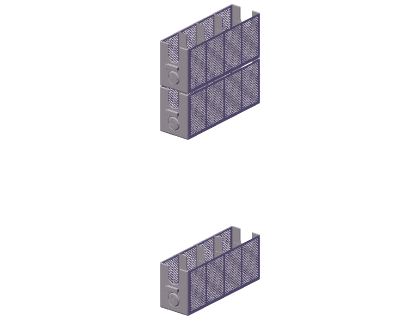
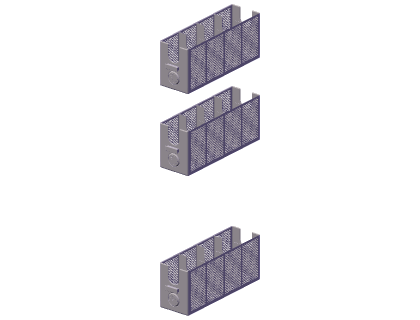
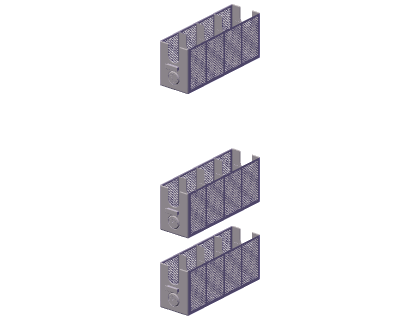
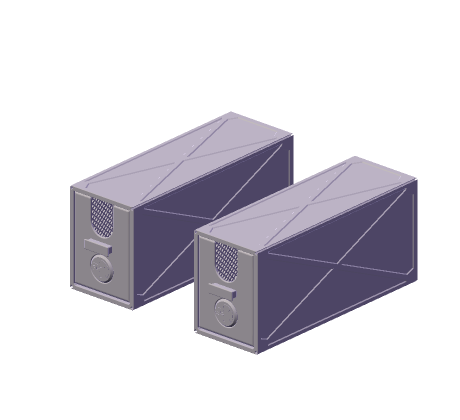
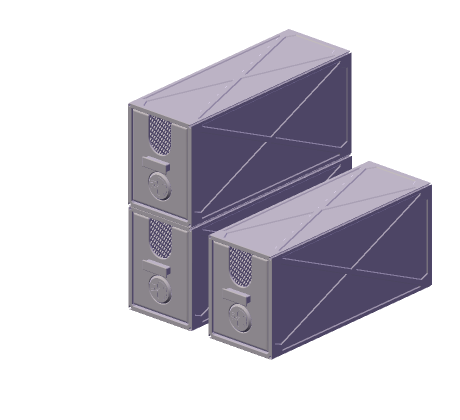
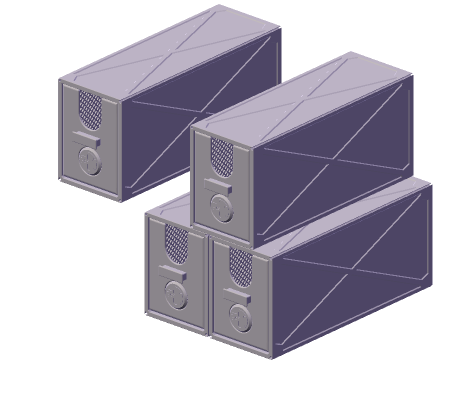
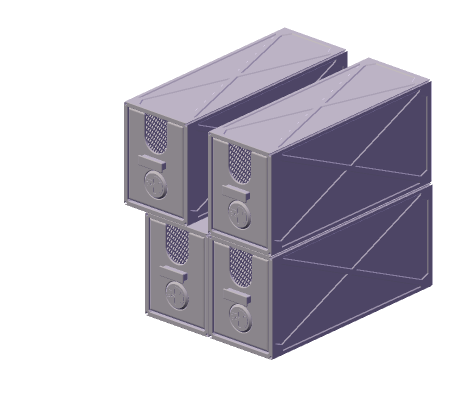
Boxes stack straight onto each other. The separators are doing double duty here — they are what stops a loaded box squashing under the one above it.
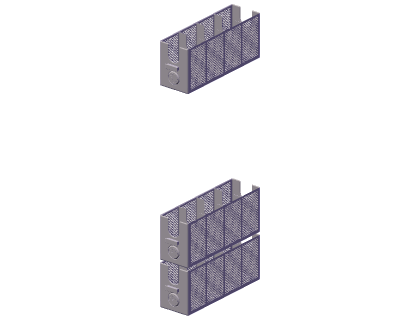
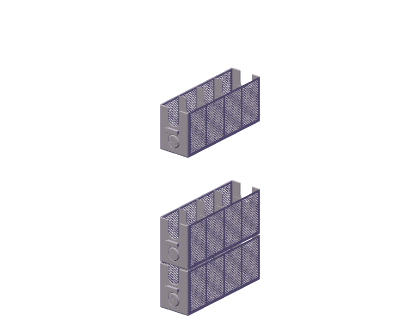
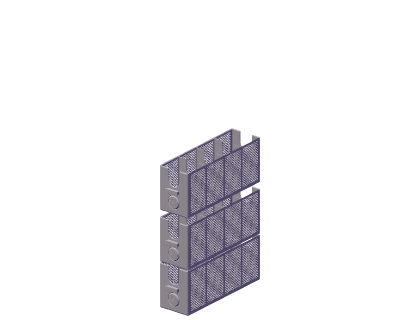
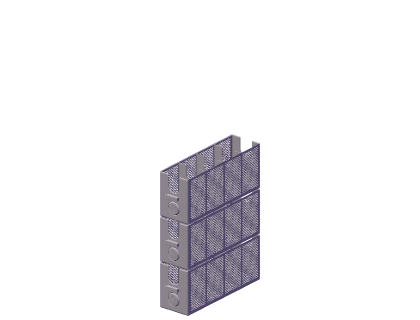
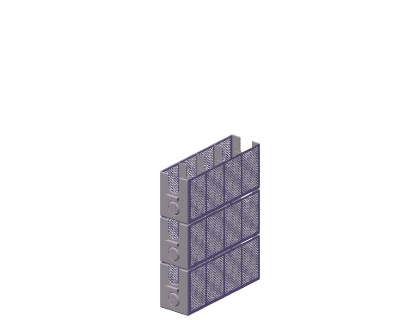
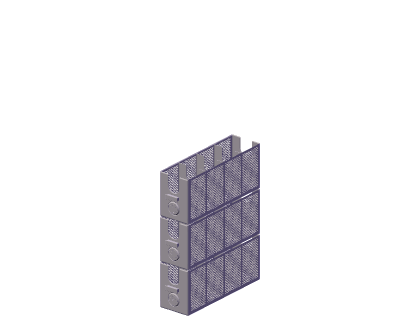
the housing
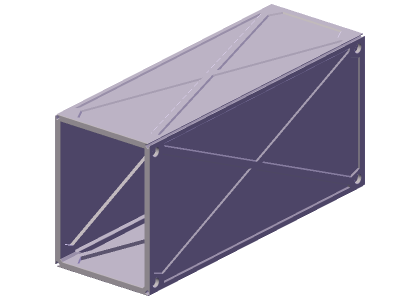
A simple shell around the box. A bit more protection for the cards, and the boxes stay easy to get at.
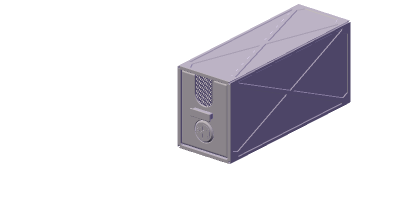
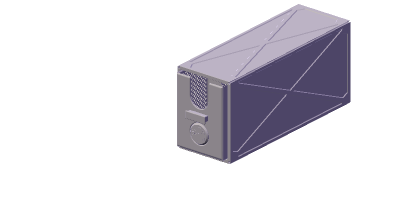
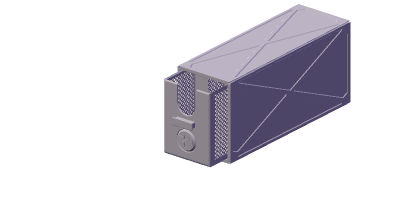
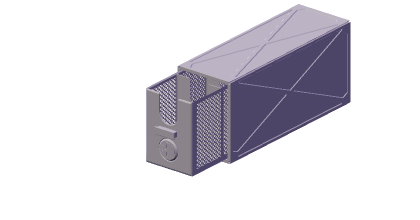
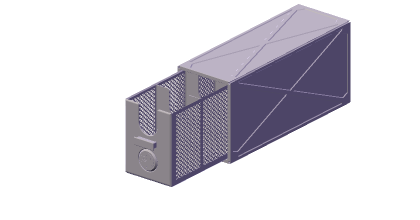
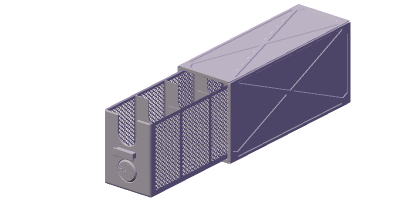
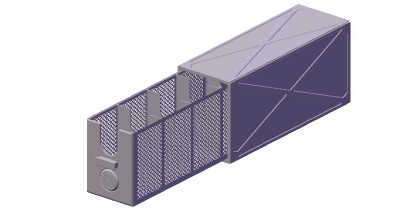
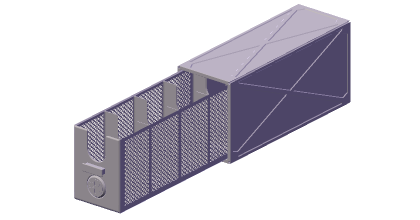
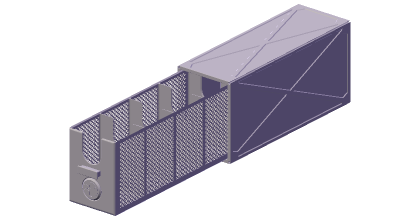
ganged together
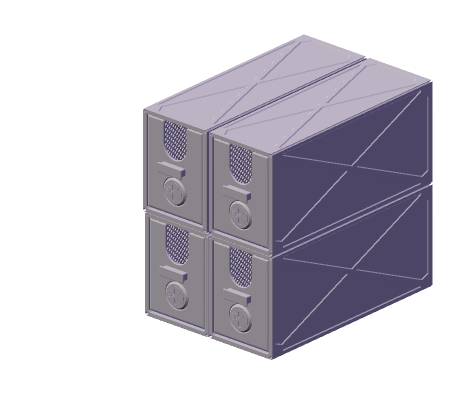
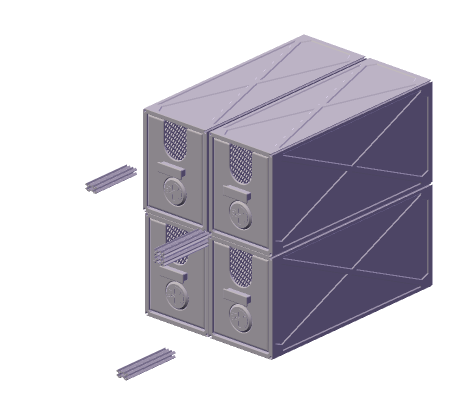
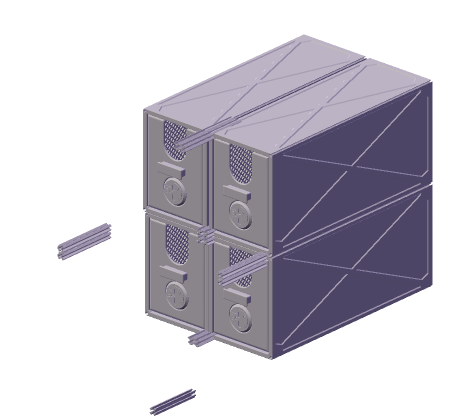
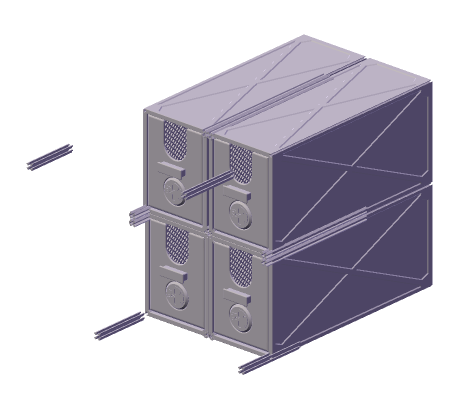
Rails gang up into one block and the connectors tie them together, so a wall of them can grow a rail at a time. Two lengths cover it: a double along a seam where two rails meet, and a quad where four corners come together. Each one runs half the rail, so a pair chains nose to tail to reach the far end.

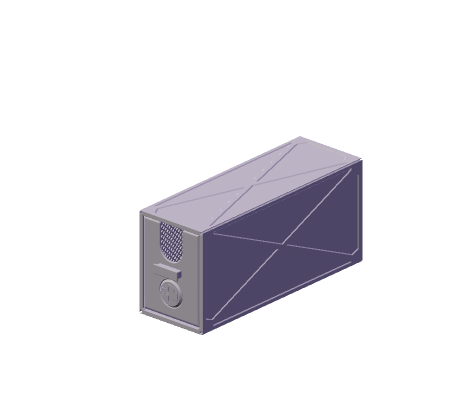
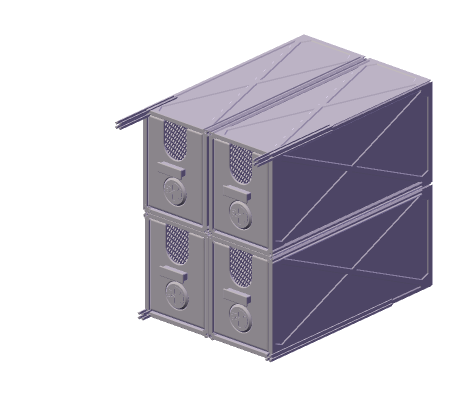
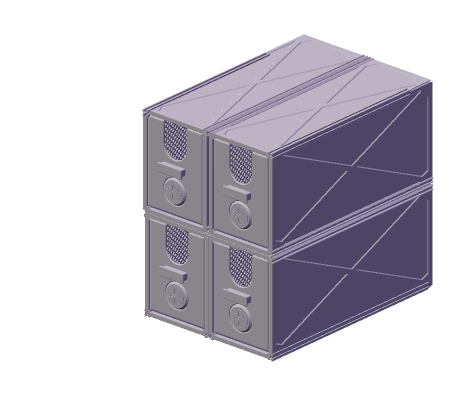
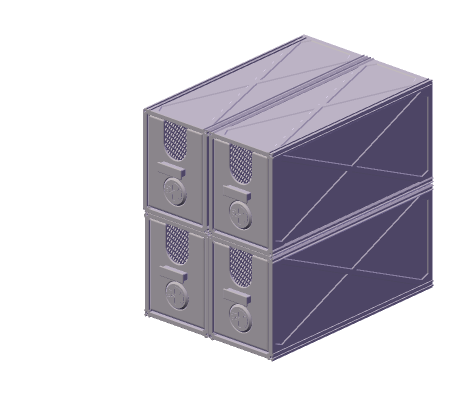
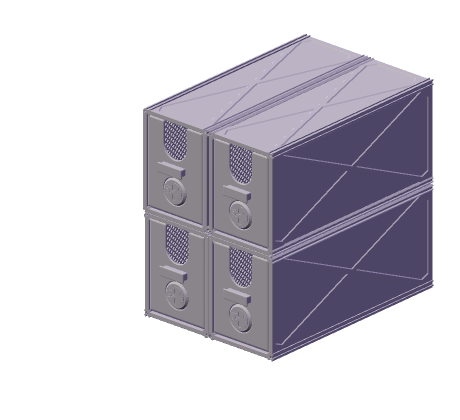
pegged fore and aft
Four holes near the corners of every long face take a short peg. The long connectors run the same way as the rails, so they hold a block together side to side and leave it free to slide lengthways — the pegs cross that direction and take it out.
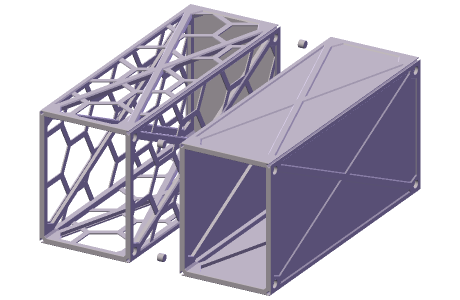
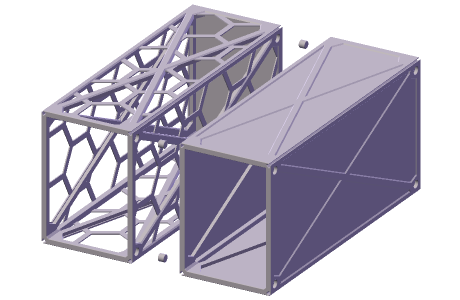
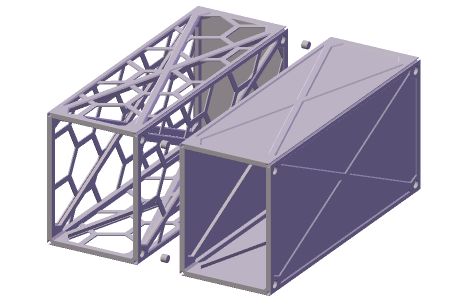
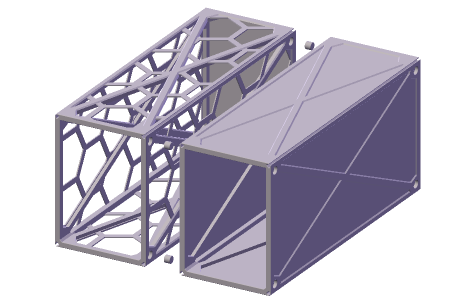
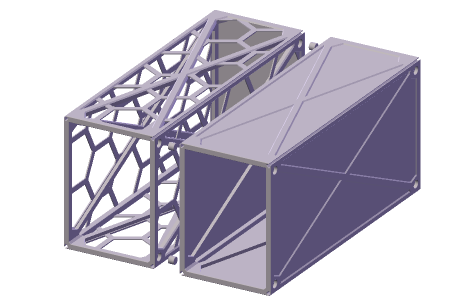
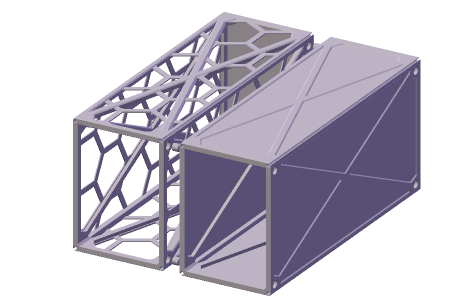
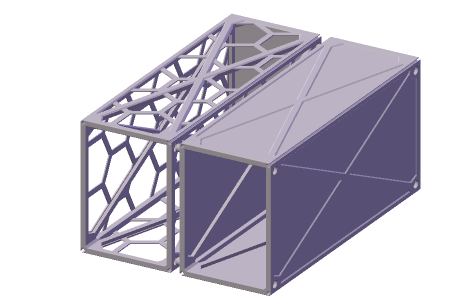
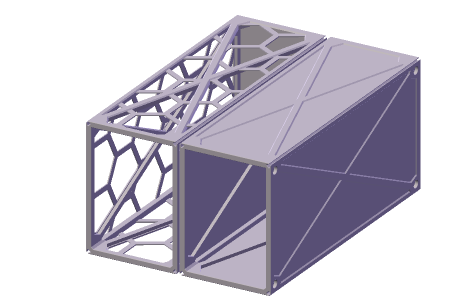
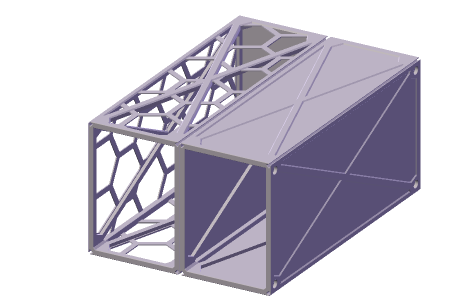
hex or solid, side by side
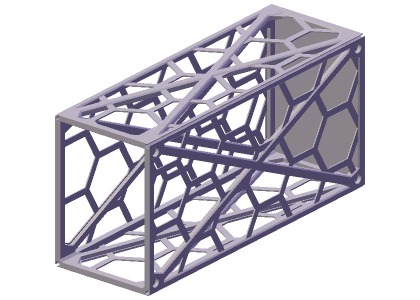
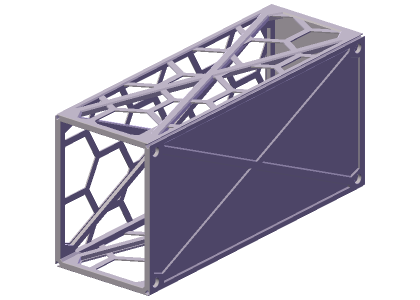
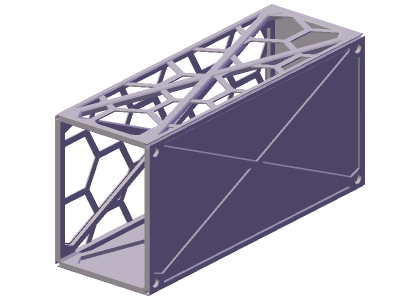
Each side of a rail prints either as an open hex grid or as a solid panel with an X-brace, and the two mix on the same housing. Open where you want to see what is in it and spend less filament, closed where you want the dust kept out or an outside face that reads as furniture.
status in use, printing more
filesmakerworld — not published yet